Weaverville, NC · Buncombe County
Rapid Structural Drying in Weaverville, NCWall Cavity Drying & Crawl Space Drying
Rapid Structural Drying in Weaverville involves emergency structural drying, wall cavity drying, and flood drying services from restoration pros.
Answered 24/7
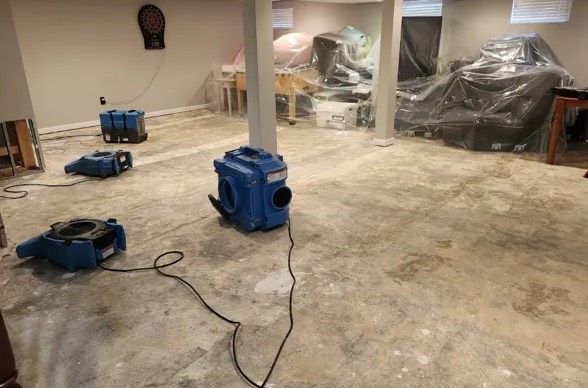
Rapid Structural Drying Solutions in Weaverville, North Carolina
Flooding events introduce large volumes of water that soak deep into structural components. Residential structural drying after a flood requires powerful equipment to dry materials from the inside out.
Structural moisture removal in Weaverville addresses both visible and hidden water damage in homes and businesses. Service areas include nearby locations like Woodfin, Asheville and Biltmore Forest for added convenience.
Advanced Rapid Structural Drying Processes
Wall Cavity Drying
Interior walls can absorb significant moisture from leaks or floods. Wall cavity drying involves accessing the space between studs to direct airflow and desiccant dehumidification.
Crawl Space Drying
Drying removes pooled water and addresses residual moisture in soil and joists with a system tailored to the space's size and conditions.
Moisture Mapping Services
Hidden water damage can undermine drying efforts. Moisture mapping services employ thermal imaging cameras and sophisticated meters to detect anomalies behind surfaces.
Subfloor Drying
Wet subfloors can warp, swell, and compromise the floor system. Drying removes moisture from plywood or OSB, often requiring lifted flooring sections to allow direct airflow from above and below.
Emergency Structural Drying
Drying starts with a quick assessment and equipment placement, so moisture is pulled from walls, floors and framing before the damage spreads.
Indications for Rapid Structural Drying
Warped or Bubbling Floorboards
Hardwood floors that buckle or cup have taken on moisture from below, usually from a wet subfloor.
Peeling Paint or Wallpaper
Paint or wallpaper that is blistering and peeling is often caused by hidden moisture behind the surface.
Visible Water Stains on Walls
Yellow or brown stains on drywall or ceilings mean water got into the material and may still be inside.
Musty Odors in Your Home
A musty smell that will not go away usually means moisture is trapped inside walls or under floors.
How Rapid Structural Drying Works in Weaverville
Step 1: Water Extraction and Containment
The process begins with extracting any standing water, then containing the affected area to prevent moisture migration to dry parts of the building.
Step 2: Professional Drying Equipment Deployment
Powerful desiccant and refrigerant dehumidifiers are deployed alongside air movers to aggressively remove moisture from the air and building materials.
Step 3: Focused Crawl Space and Slab Drying
Hard areas get specific methods, such as ducted air for crawl spaces and floor mats for concrete slabs.
Step 4: Final Moisture Validation and Documentation
Final moisture readings are taken and documented with photos and reports for your insurer, confirming the structure is dry and stable.
What Leads to Needing Rapid Structural Drying
Foundation Cracks and Water Seepage
Cracks in a foundation or basement wall permit groundwater intrusion, which can saturate concrete slabs and framing.
Roof Leaks From Storm Damage
Wind-driven rain or damaged shingles allow water to infiltrate attics and wall cavities, leading to widespread structural moisture.
Landscaping or Grading Problems
Improper yard slope can direct water toward a foundation, leading to persistent dampness in slabs and crawl spaces.
HVAC System Condensation Issues
Clogged drain lines or faulty condensate pumps from air handlers can cause significant water damage inside walls and ceilings.
Property Types Requiring Rapid Structural Drying in Weaverville
Residential Rapid Structural Drying
Homeowners face risks from hidden moisture in attics and crawl spaces. Emergency structural drying services use air scrubbers and focused drying to safeguard indoor air quality and the home's structural integrity from slow leaks.
Commercial Rapid Structural Drying
Warehouses and industrial facilities need large-scale drying for wide concrete floors. Professionals employ rapid drying strategies and moisture mapping to prevent corrosion of inventory and structural components.
Rapid Structural Drying vs. DIY: When to Call Water Damage Pros
You can sweep water out of a garage or away from a foundation exterior. Inside, place aluminum foil squares on concrete slabs to test for condensation.
Pricing Considerations for Rapid Structural Drying in Weaverville
In Weaverville, the cost of structural drying depends on the water source, the size of the wet area and how much equipment is needed.
Affected Structural Materials
Drying dense materials like concrete slabs or enclosed wall cavities demands specialized techniques and longer durations than drying open areas.
Secondary Damage Prevention
Efforts to prevent mold growth during the drying process, such as applying antimicrobials, can be a factor in the service cost.
Required Drying Equipment
The number and type of industrial air movers, dehumidifiers, and moisture meters deployed for structural moisture removal influence operational costs.
Does Insurance Cover Rapid Structural Drying?
Insurance may cover fast structural drying if the water damage is from a sudden, accidental event like a burst pipe. The pros will create a thorough record of moisture levels and affected areas for your insurer.
Reasons to Trust Local Pros with Rapid Structural Drying
Industrial-Grade Drying Equipment
High-capacity air movers and dehumidifiers dry crawl spaces and concrete slabs, which hold water longest.
Targeted Drying Strategies
Drying plans are adjusted for subfloors and enclosed spaces that need targeted dehumidification.
Advanced Moisture Detection
Tools like thermal imagers and moisture meters are used for accurate moisture mapping to find hidden water.
24/7 Rapid Structural Drying When You Need It
A plumbing failure or appliance leak can soak framing and subfloors within hours. Call (828) 492-3606 to start rapid structural drying.
Call Now (828) 492-3606Rapid Structural Drying Throughout Buncombe County
Rapid structural drying is available for homes and businesses in Weaverville. The pros also serve nearby places like Woodfin, Asheville and Biltmore Forest.
- Rapid Structural Drying in Woodfin
- Rapid Structural Drying in Asheville
- Rapid Structural Drying in Biltmore Forest
- Rapid Structural Drying in Swannanoa
- Rapid Structural Drying in Bent Creek
- Rapid Structural Drying in Montreat
- Rapid Structural Drying in Royal Pines
- Rapid Structural Drying in Fairview
- Emergency Damage Restoration in 28701
- Storm Damage Restoration in 28701
- Water Damage Restoration in 28701
- Water Extraction Service in 28701
- Water Leak Detection in 28701
- Water Removal Service in 28701
- Emergency Damage Restoration in 28787
- Storm Damage Restoration in 28787
Rapid Structural Drying FAQs
What equipment is used for water mitigation drying?
Water mitigation drying utilizes industrial air movers for evaporation, high-capacity dehumidifiers to remove vapor, and moisture meters to monitor progress throughout the structural drying process.
What are moisture mapping services?
Moisture mapping services involve using meters and sensors to create a visual record of moisture levels throughout a structure, guiding the drying process and verifying when materials are dry.
Why is wall cavity drying important after a leak?
Water trapped inside wall cavities can lead to hidden mold, wood rot, and compromised insulation.
Why document the process for insurance?
Detailed documentation of moisture readings, photos, and equipment used provides a clear record for your insurance claim, showing the necessity and scope of the rapid structural drying services performed.
What is involved in subfloor drying?
Subfloor drying involves using specialized air movers and dehumidifiers to draw moisture out of the wooden or concrete layer beneath flooring, often requiring access panels or strategic placement of equipment.