Weaverville, NC · Buncombe County
Desiccant Dehumidification in Weaverville, NCWater Damage Dehumidification & Construction Drying Services
Desiccant Dehumidification in Weaverville covers flood drying services, crawl space drying and emergency dehumidification.
Answered 24/7
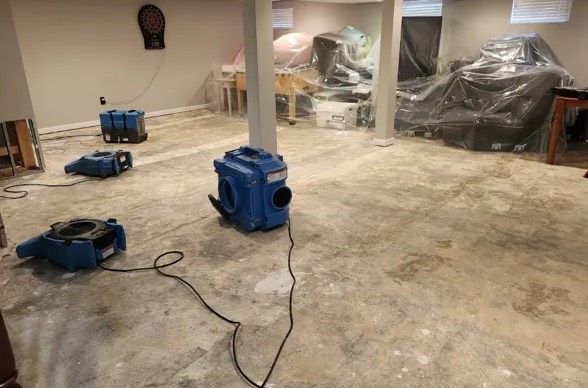
Professional Desiccant Dehumidification in Weaverville, NC
After a fire in Weaverville, the water used to put it out soaks rooms well beyond the burned area. That water needs to come out before rebuilding.
Property owners in Weaverville can call (828) 492-3606 day or night when water damage needs drying. Service also covers Woodfin, Asheville and Biltmore Forest, with equipment sized to the space.
Specialized Desiccant Dehumidification in Weaverville, NC
Water Damage Dehumidification
Desiccant or refrigerant dehumidifiers are chosen based on the space, the temperature and how dry the air needs to get.
Construction Drying Services
Construction drying speeds up schedules by lowering humidity so slabs and drywall reach the moisture levels flooring and paint need.
Basement Dehumidification
Basement concrete and framing release water slowly. Desiccant drying keeps humidity low so they can dry in a reasonable time.
Firefighting Water Drying
After a fire, water used by firefighters soaks walls, floors and ceilings. Desiccant drying helps dry those materials once debris is cleared.
Mold Prevention Drying
Drying an area quickly after affected materials are removed limits regrowth. Desiccant units help reach low humidity in closed work areas.
Red Flags for Desiccant Dehumidification in Weaverville Properties
Efflorescence on Masonry Surfaces
White, powdery deposits on masonry show water moving through concrete or block.
Musty Smell in Stored Items
Boxes and fabrics that smell musty show the space has stayed damp too long.
Wet Insulation in Attics or Walls
Insulation that is wet in attics or walls holds water against framing and slows drying.
Active Mold Spots
Dark spots appearing on walls or ceilings mean materials stayed damp long enough for mold.
How Desiccant Dehumidification Works in Weaverville
Step 1: Initial Damage Inspection
Humidity and moisture readings are taken across the affected area to set the drying plan.
Step 2: Deployment of Drying Equipment
Desiccant or standard dehumidifiers and air movers are placed based on the space and readings.
Step 3: Monitored Drying Cycle
Readings are logged daily, and equipment is moved or adjusted as each material dries.
Step 4: Completion and Clearance
Final readings confirm materials are dry, and the space is cleared for repairs.
Origins of Dampness and Desiccant Dehumidification in Weaverville Buildings
Plumbing Leaks or Pipe Bursts
Burst pipes and leaking supply lines soak walls and floors that then need drying.
Roof Leaks From Damaged Shingles
Roof leaks from damaged shingles soak attic insulation, roof decking and the ceilings below.
Foundation Cracks and Seepage
Foundation cracks let groundwater seep into lower levels, keeping walls and floors damp.
Severe Weather and Storm Flooding
Storms and flooding soak lower levels and leave large volumes of wet material.
Residential and Commercial Desiccant Dehumidification in Weaverville
Residential Desiccant Dehumidification
Homeowners with damp basements may need desiccant drying after a flood because cool concrete and air slow standard units.
Commercial Desiccant Dehumidification
Warehouses with large slabs and stock need humidity kept low during drying to protect inventory and dry the concrete.
The Limits of DIY Desiccant Dehumidification in Weaverville
For a small spill in a warm room, a household dehumidifier and fan may be enough. Call local moisture removal pros if drywall, flooring or framing got wet or the space is cool and damp.
Understanding Desiccant Dehumidification Expenses in Weaverville
Large commercial buildings and construction sites in Weaverville may need high-capacity units and ducting, which affects the total.
Time of Response
Night, weekend and holiday setup can cost more than a scheduled weekday visit.
Type of Water Damage
Floodwater and sewage need cleaning and removal of materials before drying, which adds cost.
Affected Area Size
Larger affected areas need more drying units and more air movers running at once.
Does Insurance Cover Desiccant Dehumidification?
Coverage for desiccant dehumidification depends on the cause of the water and your policy. The pros document the drying, and your insurer decides what is covered.
Selecting Local Pros for Desiccant Dehumidification in Weaverville, North Carolina
Post-Flood Drying
Floodwater cleanup is followed by drying that continues until readings are normal.
Detailed Moisture Documentation
Daily humidity and moisture readings are logged to show progress and support insurance claims.
Large Projects
Large buildings and job sites get drying plans that keep work and business moving.
24/7 Desiccant Dehumidification for Weaverville Emergencies
If the wet area has electrical hazards or sagging ceilings, stay clear and shut off power if it is safe. Then call (828) 492-3606 for help in Weaverville.
Call Now (828) 492-3606Locations for Desiccant Dehumidification Around Weaverville
Need desiccant dehumidification outside Weaverville? Service also covers Woodfin, Asheville and Biltmore Forest, including emergency drying after hours.
- Desiccant Dehumidification in Woodfin
- Desiccant Dehumidification in Asheville
- Desiccant Dehumidification in Biltmore Forest
- Desiccant Dehumidification in Swannanoa
- Desiccant Dehumidification in Bent Creek
- Desiccant Dehumidification in Montreat
- Desiccant Dehumidification in Royal Pines
- Desiccant Dehumidification in Fairview
- Emergency Damage Restoration in 28701
- Storm Damage Restoration in 28701
- Water Damage Restoration in 28701
- Water Extraction Service in 28701
- Water Leak Detection in 28701
- Water Removal Service in 28701
- Emergency Damage Restoration in 28787
- Storm Damage Restoration in 28787
Common Desiccant Dehumidification Questions Answered
How long does crawl space drying typically take?
Often several days, depending on how wet the framing is and how cool and damp the space stays.
How is emergency dehumidification different from standard service?
It starts right after a leak or flood, any time of day, so materials do not keep soaking up moisture.
What is desiccant dehumidification used for?
Drying spaces after water damage where standard dehumidifiers struggle, such as cool crawl spaces, large buildings and dense materials.
What happens after desiccant dehumidification is complete?
Final readings are recorded, equipment is removed and the space is ready for repairs or finishes.
What equipment is used for commercial building drying?
High-capacity desiccant or refrigerant dehumidifiers, air movers, moisture meters and sometimes ducting to direct dry air.