Asheville, NC · Buncombe County
Temperature-Controlled Drying in Asheville, NCClimate-Controlled Drying Systems & Humidity Control For Restoration
Temperature-Controlled Drying in Asheville by local moisture control experts addresses thermal drying for water damage, climate-controlled drying systems, and moisture mapping to restore property.
Answered 24/7
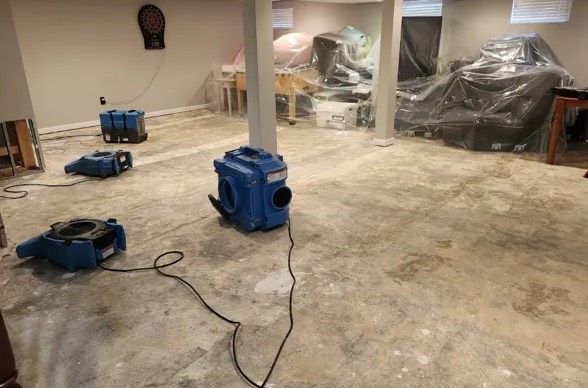
Local Temperature-Controlled Drying Solutions for Asheville Homes
In Asheville, water trapped in subfloors, wall cavities or behind cabinets dries slowly because the air there does not move.
In Asheville and nearby Woodfin, Biltmore Forest and Weaverville, fast structural drying stops mold before it starts. Local pros map moisture, then use LGR dehumidifiers and planned air mover placement until readings are normal.
Advanced Temperature-Controlled Drying Techniques in Asheville
Climate-Controlled Drying Systems
The experts set up systems that control temperature, humidity and airflow together, adjusting them as moisture readings change.
Humidity Control for Restoration
Dehumidifiers lower the dew point in the affected area, so materials give up their moisture more easily.
Thermal Drying for Water Damage
Controlled heat combats water damage in hard-to-dry areas like enclosed cavities. Expert calibration of drying equipment avoids harm to sensitive contents.
Moisture Mapping
Moisture mapping uses penetrating and non-penetrating meters to document water migration. This creates a blueprint of wet areas, including hidden moisture behind walls.
Water Damage Drying Logs
Key data like psychrometric readings and material moisture content are meticulously recorded. These logs show a clear trend toward dryness, confirming the job's success.
When to Call for Temperature-Controlled Drying in Asheville, NC
Warping of Wood Floors or Trim
Floorboards begin to cup, buckle, or separate at the seams. This warping is a direct result of excessive, uneven moisture content.
Soft Drywall or Sagging Ceiling
Drywall feels spongy to the touch or a ceiling sags downward. This softness means the material is saturated and structurally compromised.
Cracking of Plaster or Joints
Plaster or drywall joint tape develops new cracks or fissures. These cracks occur as wet materials swell and then contract during drying.
High Humidity Readings Inside
A hygrometer showing unusually high indoor humidity after water damage means the building is still wet.
How Temperature-Controlled Drying Works in Asheville
Step 1: Initial Moisture Survey and Readings
Pros take baseline moisture readings across the property to plan the drying.
Step 2: Precision Air Mover Placement
Air movers are placed at set angles and distances to target specific wet materials.
Step 3: Deployment of Drying Systems
Dehumidifiers are sized to the moisture load and the size of the space.
Step 4: Ongoing Monitoring and Adjustment
Equipment is moved and adjusted as materials dry, so drying keeps moving.
Common Causes Requiring Structural Drying in Asheville
Inadequate Initial Water Extraction
Water left behind after a leak or flood moves into subfloors and walls, where it is harder to dry.
Sprinkler System Activation
A fire sprinkler discharges, releasing a large volume of water quickly. This event saturates entire areas and requires precise air mover placement and strategy.
Appliance Malfunction or Overflow
A failed washing machine hose, water heater or dishwasher can release many gallons onto the floor.
Foundation Cracks and Seepage
Hydrostatic pressure forces groundwater through cracks in the foundation wall. This seepage creates a constant dampness that challenges standard drying technology.
Residential & Commercial Temperature-Controlled Drying in Asheville
Residential Temperature-Controlled Drying
At home, the pros dry wall cavities, subfloors and belongings with air movers and dehumidifiers, and keep drying logs for your insurance review.
Commercial Temperature-Controlled Drying
For businesses, rapid drying minimizes downtime and protects inventory, equipment, and building integrity. Large-scale drying systems are implemented to address moisture in offices, retail spaces, and warehouses.
Temperature-Controlled Drying: DIY Risks vs. Professional Care in Asheville
Letting a room air dry for days risks mold and lets moisture wick into nearby materials. Air movers and dehumidifiers dry it in a fraction of the time.
Cost Considerations for Temperature-Controlled Drying in Asheville
In Asheville, cost depends on the size of the wet area and how aggressive the drying must be.
Humidity Control Measures
Controlling humidity in tight spaces often takes specialized drying equipment and frequent adjustments.
Access and Logistics
Challenging site access in Asheville can complicate equipment deployment and placement, potentially increasing setup time and labor requirements.
Extent of Water Damage
The larger the area that needs drying, the more equipment and labor the job takes.
Does Insurance Cover Temperature-Controlled Drying?
Coverage is not automatic and depends on your policy. Local pros provide humidity readings and equipment logs for your claim file. Your insurer decides what is covered.
The Value of Local Moisture Control Experts for Temperature-Controlled Drying in Asheville, NC
Ongoing Moisture Monitoring
Regular checks with moisture meters verify that drying goals are met, helping ensure no residual dampness remains within walls or floors.
Advanced Moisture Mapping
Moisture meters and thermal cameras find hidden wet pockets so every affected material is dried.
24/7 Emergency Response
Quick action is critical to limit secondary damage, and the pros are available around the clock to begin the drying process.
Round-the-Clock Emergency Temperature-Controlled Drying in Asheville
Stop water damage from getting worse while materials sit wet. Call (828) 492-3606 24/7 for drying help from the pros in Asheville.
Call Now (828) 492-3606Temperature-Controlled Drying Available Throughout Buncombe County
Temperature-controlled drying is available for homes and businesses in Asheville and nearby areas like Woodfin, Biltmore Forest and Weaverville.
- Temperature-Controlled Drying in Woodfin
- Temperature-Controlled Drying in Biltmore Forest
- Temperature-Controlled Drying in Weaverville
- Temperature-Controlled Drying in Bent Creek
- Temperature-Controlled Drying in Royal Pines
- Temperature-Controlled Drying in Swannanoa
- Temperature-Controlled Drying in Avery Creek
- Temperature-Controlled Drying in Fairview
- Emergency Damage Restoration in 28801
- Storm Damage Restoration in 28801
- Water Damage Restoration in 28801
- Water Extraction Service in 28801
- Water Leak Detection in 28801
- Water Removal Service in 28801
- Emergency Damage Restoration in 28802
- Storm Damage Restoration in 28802
Temperature-Controlled Drying Information and FAQs
Is temperature-controlled drying safe for electronics or artwork?
Yes, when the pros use low heat and careful humidity control, it can be safe for drying sensitive materials and belongings.
Can temperature-controlled drying prevent mold growth?
By rapidly removing moisture and controlling humidity, the process creates an environment where mold cannot thrive, significantly reducing the potential for mold.
Why is moisture mapping important for drying?
Sensors measure moisture across the affected area to show exactly where it is wet, so equipment is aimed at the right spots.
What is the difference between air movers and dehumidifiers?
Air movers evaporate moisture from surfaces into the air, and dehumidifiers pull it back out of the air.
What materials benefit most from controlled drying systems?
Porous structural materials like drywall, wood framing, and concrete, as well as contents like documents and furniture, benefit greatly from controlled, gradual drying to prevent ruin.