Asheville, NC · Buncombe County
Structural Drying Services in Asheville, NCWet Drywall Removal & Water Damaged Floor Removal
Structural Drying Services in Asheville manage emergencies like emergency burst pipe cleanup, water damaged floor removal, and wet drywall removal.
Answered 24/7
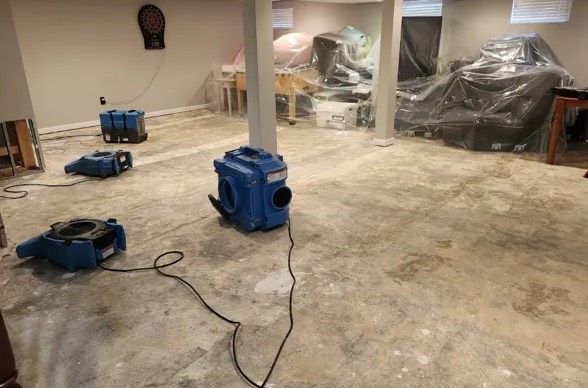
Expert Structural Drying in Asheville, North Carolina
When water damage strikes in Asheville, structural integrity is the immediate concern. Uncontrolled moisture can quickly degrade building materials, threatening your property's safety and value long after the initial leak is stopped.
In Asheville and nearby Woodfin, Biltmore Forest and Weaverville, fast drying keeps damage and repair costs down. Water extraction experts dry everything from ceilings to floor systems.
Comprehensive Structural Drying Services for Asheville
Wet Drywall Removal
Soggy drywall can degrade quickly, requiring prompt assessment of moisture content. If removal is necessary, sections are cleared to improve air circulation and stop persistent dampness within the structure.
Water Damaged Floor Removal
Saturated flooring often requires removal. Structural drying pros evaluate damage and may remove compromised floorboards or tiles.
Flooded Room Drying
Immediate water extraction begins the flooded room drying process. The pros follow industry-standard methods, using moisture meters to confirm drying goals.
Commercial Building Drying
In large buildings, pros control humidity with desiccant dehumidifiers sized for the space, so offices and warehouses can reopen sooner.
Ceiling Water Damage Cleanup
A ceiling soaked by a leak gets heavy and can sag or fall. Pros remove what cannot be saved and set up drying for the rest.
When to Consider Structural Drying Services in Asheville
Buckling Hardwood Floorboards
Wood planks that cup or buckle have absorbed a lot of water from below.
Damp or Wet Carpeting
Carpet that stays wet for hours after a leak lets water soak into the subfloor.
Cold Damp Spots on Walls
Cold spots on an inside wall can mean the insulation behind it is wet.
Warped Wooden Trim
Baseboards or window casings pulling away from the wall mean the wall behind them is wet.
How Structural Drying Services Work in Asheville
Step 1: Water Mitigation
The pros start with immediate mitigation, removing water to prevent further damage and prepare the area for structural drying services.
Step 2: Installation of Drying Systems
A customized array of drying systems, including dehumidifiers and air movers, is installed to begin the property drying process.
Step 3: Continuous Drying and Monitoring
The systems run continuously while the pros monitor progress, adjusting equipment to optimize the structural drying.
Step 4: Restoration Readiness Confirmation
Once drying goals are met, pros confirm the area is ready for any necessary repairs, completing the flood drying service.
Frequent Sources of Structural Moisture in Asheville
Severe Weather Flooding
Heavy rain and overland flooding can push water into a building through doors and low walls.
Burst Water Supply Pipes
A burst pipe can release hundreds of gallons and flood several rooms.
Sewer or Drain Backups
A blocked main line can push contaminated water back up through floor drains.
Roof Leaks During Storms
Damaged or missing roofing lets rain into the attic and down into the ceiling.
Home and Business Structural Drying Services in Asheville, NC
Residential Structural Drying Services
For homes in Asheville, the pros dry flooded rooms and remove wet drywall. Moisture mapping finds hidden dampness, and industrial dehumidifiers dry the structure.
Commercial Structural Drying Services
For businesses, water from roofs, pipes or sprinklers is extracted and the space is dried with targeted air movers so work can resume sooner.
Hiring Local Pros for Structural Drying Services in Asheville
Improving ventilation by opening windows can aid drying in a localized, minor dampness scenario with good outdoor conditions. For significant flooding, hidden moisture, or when musty odors develop, professional water damage drying with industrial-grade equipment is required to fully remediate the problem.
Considerations for Structural Drying Services Expenses in Asheville
In Asheville, cost depends on how severe the flooding was, how much drying is needed and the size of the area.
Extent of Damage
The size of the affected area and depth of water penetration into materials like drywall or subfloor dictate resource needs.
Contamination Level
Clean water from a supply line is simpler to address than contaminated flood water, which alters safety and drying procedures.
Emergency Response
Calls after hours, like a burst pipe at night, can cost more.
Does Insurance Cover Structural Drying Services?
For flood drying from external sources like storms or overflowing bodies of water, a separate flood insurance policy is usually required, as standard homeowners policies do not cover it.
The Value of Local Pros for Structural Drying Services in Asheville
Advanced Moisture Detection
Moisture meters and infrared cameras find water inside walls and floors that you cannot see.
Comprehensive Water Extraction
Powerful extraction removes standing water quickly, a critical first step before the detailed structural drying process begins.
Material-Specific Protocols
Pros dry each material in the way that suits it and remove only what cannot be saved.
Emergency Structural Drying Services Available in Asheville
For emergency drying of a home or commercial building, call (828) 492-3606 any time. Quick action limits the total loss to the building.
Call Now (828) 492-3606Structural Drying Services Availability Around Asheville, Buncombe County
Structural drying is available in Asheville and nearby areas like Woodfin, Biltmore Forest and Weaverville after leaks, floods and appliance failures.
- Structural Drying Services in Woodfin
- Structural Drying Services in Biltmore Forest
- Structural Drying Services in Weaverville
- Structural Drying Services in Bent Creek
- Structural Drying Services in Royal Pines
- Structural Drying Services in Swannanoa
- Structural Drying Services in Avery Creek
- Structural Drying Services in Fairview
- Emergency Damage Restoration in 28801
- Storm Damage Restoration in 28801
- Water Damage Restoration in 28801
- Water Extraction Service in 28801
- Water Leak Detection in 28801
- Water Removal Service in 28801
- Emergency Damage Restoration in 28802
- Storm Damage Restoration in 28802
Structural Drying Services FAQs
What's the difference between residential and commercial building drying?
Commercial drying covers larger spaces and building systems and is planned around business hours, so it uses more equipment.
How is property drying monitored for progress?
Progress is tracked with regular moisture readings using meters, comparing them to established dry standards to determine when the drying goals are met.
What equipment is used for professional dehumidification services?
Low-grain refrigerant (LGR) and desiccant dehumidifiers pull moisture out of the air and materials.
What are the signs that professional flood drying is needed?
Standing water, wet materials over a large area, a musty smell or damp walls and floors all mean the structure needs drying.
What is involved in the structural drying process?
The process begins with water extraction, followed by moisture mapping to assess damage, then targeted drying with air movers and dehumidifiers to restore dry conditions.