Clyde, NC · Haywood County
Emergency Water Extraction in Clyde, NCStanding Water Removal & Emergency Flood Water Extraction
Emergency Water Extraction in Clyde covers emergency flood water extraction, standing water removal and carpet water extraction services.
Answered 24/7
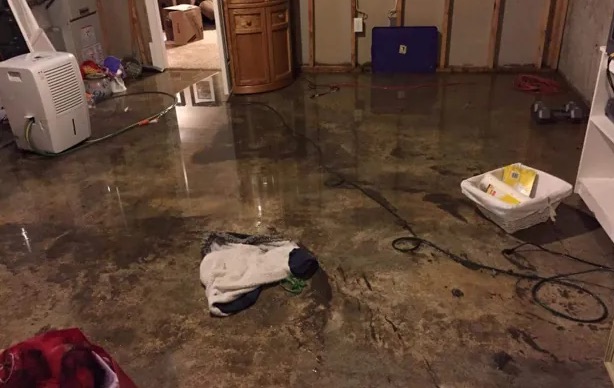
Emergency Water Extraction Services Available in Clyde Today
Most emergency water calls in Clyde come from burst pipes, failed water heaters, overflowing toilets, storms and sewer backups. Each one puts water where it should not be, fast.
In Clyde, emergency extraction calls come at all hours. Local flood cleanup specialists serve Clyde, Lake Junaluska, West Canton and Canton, pumping standing water and extracting carpet and floors as soon as the source is off.
Emergency Water Extraction and Damage Mitigation in Clyde
Standing Water Removal
Standing water spreads under walls and into the next room. Extraction follows it until every wet floor is cleared.
Emergency Flood Water Extraction
Floodwater from outside is treated as contaminated, so extraction is followed by removal of soaked porous materials and cleaning.
Flooded Basement Water Removal
A flooded lower level is pumped out, then carpet, pad and wet drywall are extracted or removed and the space is dried with dehumidifiers.
Emergency Water Damage Cleanup
Help is available any hour, because cleanup that waits until morning usually means more materials to remove.
Burst Pipe Water Extraction
The burst section is noted and photographed for the plumber while the water is removed and the house is dried.
Signs Your Property Needs Emergency Water Extraction
Soggy or Wet Carpeting
Carpet that squishes or feels cold and wet underfoot is holding water in the pad below.
Swollen Doors or Cabinets
Doors that stick or cabinets that swell near a leak have soaked up water.
Dripping Sounds or Leaks
Dripping or running water sounds when nothing is on mean a leak is still active somewhere.
Water Stains on Walls
Fresh stains on walls or ceilings show water is spreading from a leak nearby or above.
How Emergency Water Extraction Works in Clyde
Step 1: Initial Water Damage Evaluation
Meters and thermal cameras show how far the water spread beyond what is visible.
Step 2: Standing Water Removal
Standing water is pumped out, and wet debris and soaked materials are cleared away.
Step 3: Structural Drying and Air Scrubbing
Drying equipment runs continuously, and air scrubbers filter dust from any removal work.
Step 4: Claim-Ready Damage Reporting
Photos, readings, removal lists and drying logs are organized into a report for the adjuster.
Typical Reasons for Emergency Water Extraction in Clyde
Human Error or Accidental Spills
Tubs and sinks left running, and other everyday accidents, can flood rooms and the floor below.
Foundation Cracks and Seepage
Foundation cracks let groundwater seep into lower levels during long wet spells.
Roof Leaks From Storm Damage
Storm-damaged roofs let rain pour into attics and through ceilings into the rooms below.
Appliance Malfunctions and Overflows
Washers, dishwashers, water heaters and refrigerator lines fail and flood the floor around them.
Both Residential & Commercial Emergency Water Extraction in Clyde
Residential Emergency Water Extraction
Families often want to save carpet and flooring. Fast extraction of clean water makes that possible in many cases.
Commercial Emergency Water Extraction
Property managers with several units get separate extraction and drying records, with photos, for each affected unit or suite.
Why DIY Water Extraction Often Fails in Clyde
Lift furniture off wet carpet and put foil or plastic under the legs to prevent stains. Then call (828) 492-3606 to extract the carpet and pad underneath.
Understanding Emergency Water Extraction Cost in Clyde
Plumbing and roof repairs are separate from extraction and drying. In Clyde, they follow once the water is out and the structure is dry.
Depth of Standing Water
Deep standing water needs pumping before extraction, which adds time and equipment.
Affected Square Footage
More square feet of wet flooring and walls means more extraction and more drying equipment.
Water Source and Type
Clean water costs less to extract and dry than sewage or floodwater, which needs disinfection.
Does Insurance Cover Emergency Water Extraction?
Photos, moisture readings and drying logs from local flood cleanup specialists help support an insurance claim for emergency water damage in Clyde.
Advantages of Hiring Local Pros for Emergency Water Extraction in Clyde
Documentation for Insurance
Photos, readings and drying logs are kept from the first visit to support your insurance claim.
24/7 Emergency Response
Help is available day or night, because water emergencies get worse every hour.
Clear Communication
You get plain updates on what was extracted, what was removed and how drying is going.
24/7 Emergency Water Extraction in Clyde
Night, weekend or holiday, the specialists handle water emergencies in Clyde. Call (828) 492-3606 any time to talk through the next steps.
Call Now (828) 492-3606Emergency Water Extraction Service Area Around Clyde, NC
Help with emergency water extraction is also available in communities near Clyde, including Lake Junaluska, West Canton and Canton, for floods, burst pipes and sewage backups.
- Emergency Water Extraction in Lake Junaluska
- Emergency Water Extraction in West Canton
- Emergency Water Extraction in Canton
- Emergency Water Extraction in Waynesville
- Emergency Water Extraction in Hazelwood
- Emergency Water Extraction in Maggie Valley
- Emergency Water Extraction in Woodfin
- Emergency Water Extraction in Asheville
- Emergency Damage Restoration in 28721
- Storm Damage Restoration in 28721
- Water Damage Restoration in 28721
- Water Extraction Service in 28721
- Water Leak Detection in 28721
- Water Removal Service in 28721
Emergency Water Extraction FAQ Guide
What does emergency water damage cleanup include?
Extracting water, clearing wet debris, moving belongings, cleaning dirty-water areas and setting up drying equipment.
Is emergency water extraction available 24/7?
Yes. Help is available day or night, including weekends and holidays, because water damage keeps spreading.
Can water extraction prevent mold after a flood?
Fast extraction and drying are the main ways to keep mold from starting after a flood.
How do flood cleanup specialists document damage for insurance?
With photos of the water and damage, moisture readings, a list of removed materials and daily drying logs.
How long does drying take after extraction?
Often several days, depending on the materials, the type of water and how long it sat.