Black Mountain, NC · Buncombe County
Emergency Water Extraction in Black Mountain, NCFlooded Basement Water Removal & Standing Water Removal
Emergency Water Extraction in Black Mountain runs from standing water removal and emergency flood water extraction to wet drywall water removal.
Answered 24/7
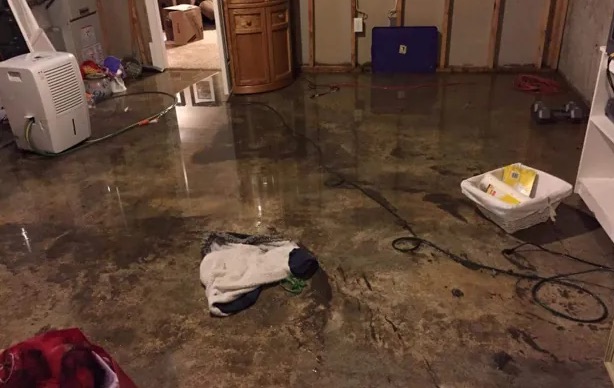
Local Emergency Water Extraction for Black Mountain Water Damage
Water damage grows by the hour. In Black Mountain, standing water that is pumped out right away usually means drying and keeping carpet and drywall. The same water left overnight often means tearing them out.
Property owners in Black Mountain can call (828) 492-3606 day or night when water starts spreading. Service also covers Montreat, Swannanoa and Fairview, with the same extraction and drying steps.
Key Emergency Water Extraction Procedures in Black Mountain
Flooded Basement Water Removal
A flooded lower level is pumped out, then carpet, pad and wet drywall are extracted or removed and the space is dried with dehumidifiers.
Standing Water Removal
Standing water spreads under walls and into the next room. Extraction follows it until every wet floor is cleared.
Sewage Backup Cleanup
After a sewage backup, soaked porous materials are removed and hard surfaces are disinfected before drying begins.
Wet Drywall Water Removal
Small holes near the base of the wall let dry air into the cavity, which dries the studs and back of the drywall.
Burst Pipe Water Extraction
The burst section is noted and photographed for the plumber while the water is removed and the house is dried.
Warning Signs You Need Emergency Water Extraction
Visible Standing Water
Standing water anywhere inside needs extraction right away, before it soaks into walls, cabinets and subfloors.
Water Stains on Walls
Fresh stains on walls or ceilings show water is spreading from a leak nearby or above.
Dripping Sounds or Leaks
Dripping or running water sounds when nothing is on mean a leak is still active somewhere.
Musty or Damp Odors
A damp or musty smell after a leak means water is still trapped in carpet, walls or subfloor.
How Emergency Water Extraction Works in Black Mountain
Step 1: On-Scene Water Damage Analysis
The pros identify whether the water is clean, gray or sewage, which decides how it is removed.
Step 2: High-Volume Flood Water Extraction
Large pumps and extractors move floodwater out quickly, and contaminated materials are removed.
Step 3: Focused Wet Carpet Drying
Carpet is extracted again or lifted, and the pad and subfloor are dried or replaced.
Step 4: Post-Extraction Documentation
Readings are logged daily until every area is dry, then a final record is provided.
Typical Reasons for Emergency Water Extraction in Black Mountain
Severe Weather and Flooding
Heavy storms and flooding push water into homes and businesses through doors, walls and roofs.
Foundation Cracks and Seepage
Foundation cracks let groundwater seep into lower levels during long wet spells.
HVAC System Condensation Issues
Clogged AC condensate lines overflow into closets, attics and the ceilings of rooms below.
Roof Leaks From Storm Damage
Storm-damaged roofs let rain pour into attics and through ceilings into the rooms below.
Whole-Property Emergency Water Extraction in Black Mountain, NC
Residential Emergency Water Extraction
Families often want to save carpet and flooring. Fast extraction of clean water makes that possible in many cases.
Commercial Emergency Water Extraction
Property managers with several units get separate extraction and drying records, with photos, for each affected unit or suite.
Why DIY Water Extraction Often Fails in Black Mountain
Do not walk into standing water if outlets, cords or appliances are submerged. Shut off power at the panel only if you can reach it from a dry spot, then call (828) 492-3606.
Estimating Emergency Water Extraction Expenses in Black Mountain
Plumbing and roof repairs are separate from extraction and drying. In Black Mountain, they follow once the water is out and the structure is dry.
Depth of Standing Water
Deep standing water needs pumping before extraction, which adds time and equipment.
Time of Service Call
Night, weekend and holiday calls can cost more than a scheduled weekday visit.
Necessary Demolition Work
Carpet pad, drywall and flooring that must be removed add labor and disposal costs.
Does Insurance Cover Emergency Water Extraction?
Insurers expect you to limit further damage. Calling for extraction right away and keeping records helps show that you did.
Benefits of Local Emergency Water Extraction in Black Mountain
Moisture Mapping
Meters and thermal cameras show where water spread under floors and inside walls.
Industry Drying Standards
Extraction and drying follow industry water damage standards, with readings at every visit.
Contained Removal
Wet drywall and flooring are removed inside plastic containment to keep dust out of clean rooms.
Emergency Water Extraction Response for Black Mountain
If water is near outlets, the electrical panel or appliances, stay out of it and shut off power only if safe. Then call (828) 492-3606 for help in Black Mountain.
Call Now (828) 492-3606Local Emergency Water Extraction Coverage for Black Mountain, Montreat, Swannanoa and Fairview
Nearby areas served for emergency water extraction include Montreat, Swannanoa and Fairview, with the same pumps, extractors and drying steps used in Black Mountain.
- Emergency Water Extraction in Montreat
- Emergency Water Extraction in Swannanoa
- Emergency Water Extraction in Fairview
- Emergency Water Extraction in Asheville
- Emergency Water Extraction in Biltmore Forest
- Emergency Water Extraction in Edneyville
- Emergency Water Extraction in Royal Pines
- Emergency Water Extraction in Fletcher
- Emergency Damage Restoration in 28711
- Storm Damage Restoration in 28711
- Water Damage Restoration in 28711
- Water Extraction Service in 28711
- Water Leak Detection in 28711
- Water Removal Service in 28711
- Emergency Damage Restoration in 28770
- Storm Damage Restoration in 28770
Emergency Water Extraction FAQs for Black Mountain Property Owners
Can water extraction prevent mold after a flood?
Fast extraction and drying are the main ways to keep mold from starting after a flood.
What happens after the water is extracted?
Moisture readings show what is still wet, materials that cannot be saved are removed and drying equipment runs for several days.
What is moisture inspection and why is it needed?
Checking walls, floors and ceilings with meters and thermal cameras to find water that is not visible after extraction.
What follows the initial emergency water extraction?
Structural drying with air movers and dehumidifiers, daily readings and repairs once the building is dry.
How is wet drywall handled during water removal?
Lightly damp drywall is dried through small holes near the base. Soaked drywall is cut out so the cavity can dry.