Clyde, NC · Haywood County
Desiccant Dehumidification in Clyde, NCConstruction Drying Services & Flood Drying Services
Get desiccant dehumidification in Clyde for emergency dehumidification, flood drying services and firefighting water drying.
Answered 24/7
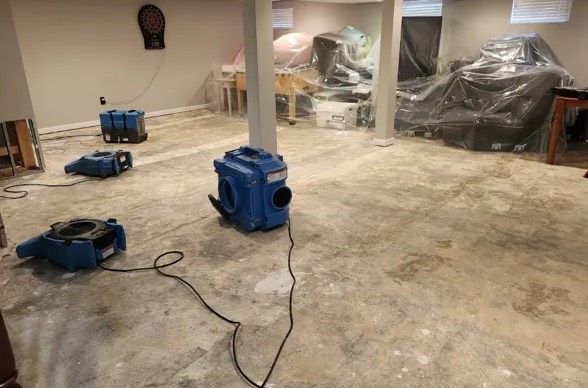
Expert Desiccant Dehumidification for Clyde Properties
Desiccant Dehumidification in Clyde ends with dry readings and a record of the drying. Daily logs show humidity and material readings from the first visit to the last.
In Clyde, Lake Junaluska, West Canton and Canton, builders sometimes need slabs and drywall dried before flooring goes in. The pros lower humidity on the job site to speed that up.
Specialized Desiccant Dehumidification in Clyde, NC
Construction Drying Services
Construction drying speeds up schedules by lowering humidity so slabs and drywall reach the moisture levels flooring and paint need.
Flood Drying Services
Flood drying pairs desiccant units with air movers aimed at wet materials, with readings taken every day until the structure is dry.
Water Damage Dehumidification
Dehumidification runs alongside air movers, and readings are taken daily until every wet material is back to normal.
Crawl Space Drying
Crawl spaces are cool and damp, which suits desiccant units. Dry air is pushed in to pull moisture from the joists and subfloor.
Basement Dehumidification
Basement concrete and framing release water slowly. Desiccant drying keeps humidity low so they can dry in a reasonable time.
Warning Signs You Need Desiccant Dehumidification in Clyde
Warped Wood Floors or Trim
Wood floors or trim that cup or warp after a leak are still taking on moisture.
Wet Insulation in Attics or Walls
Insulation that is wet in attics or walls holds water against framing and slows drying.
Visible Condensation on Windows
Windows that fog or drip inside show the air holds too much moisture for materials to dry.
Recent Water Damage Event
Any recent leak or flood that soaked drywall, flooring or framing needs drying beyond a household unit.
How Desiccant Dehumidification Works in Clyde
Step 1: Emergency Moisture Evaluation
The wet area is mapped and the right size and type of dehumidifier is chosen.
Step 2: High-Capacity Setup
Large desiccant units are placed for big spaces or cool areas where standard units struggle.
Step 3: Active Drying Cycle
Dry air is moved across wet materials, with daily readings to track progress.
Step 4: Completion and Insurance Records
Final readings and daily drying logs are compiled into a record for your insurer.
Typical Moisture Intrusions and Desiccant Dehumidification in Clyde
Plumbing Leaks or Pipe Bursts
Burst pipes and leaking supply lines soak walls and floors that then need drying.
Roof Leaks From Damaged Shingles
Roof leaks from damaged shingles soak attic insulation, roof decking and the ceilings below.
HVAC System Condensation Issues
Clogged AC drain lines overflow into attics, closets and the ceilings below them.
Fire Suppression System Activation
Fire sprinklers and firefighting water soak large areas of a building at once.
Residential and Commercial Desiccant Dehumidification in Clyde
Residential Desiccant Dehumidification
In homes, desiccant drying is most often used in crawl spaces and cool lower levels after leaks or floods. Standard units are used in warm rooms where they work well.
Commercial Desiccant Dehumidification
In commercial buildings, high-capacity desiccant units can dry large floors and high-ceiling spaces after sprinkler leaks or floods, with drying planned around business hours.
Professional Desiccant Dehumidification or DIY in Clyde?
Do not run drying equipment on materials soaked by sewage or floodwater before they are cleaned or removed, since that spreads contamination through the house.
Factors in Desiccant Dehumidification Pricing for Clyde
The cost of desiccant dehumidification in Clyde depends on the size of the wet area, how wet the materials are and how long the equipment needs to run.
Duration of Equipment Use
Drying usually takes several days, and each day of equipment use adds to the total.
Affected Area Size
Larger affected areas need more drying units and more air movers running at once.
Moisture Saturation Level
Materials that are fully soaked take longer to dry than lightly damp ones.
Does Insurance Cover Desiccant Dehumidification?
Daily humidity and moisture logs from local desiccant dehumidification experts help support an insurance claim for drying after water damage in Clyde.
Selecting Local Pros for Desiccant Dehumidification in Clyde, North Carolina
Structural Drying
Walls, floors and framing are dried, not just the air in the room.
Post-Flood Drying
Floodwater cleanup is followed by drying that continues until readings are normal.
24/7 Emergency Response
Help is available day or night to set up drying equipment after a leak or flood.
24/7 Emergency Desiccant Dehumidification in Clyde
Crawl space or lower level wet after a storm? Call (828) 492-3606 now for desiccant dehumidification in Clyde before the framing stays damp.
Call Now (828) 492-3606Locations for Desiccant Dehumidification Around Clyde
Nearby areas served for desiccant dehumidification include Lake Junaluska, West Canton and Canton, with the same equipment and readings used in Clyde.
- Desiccant Dehumidification in Lake Junaluska
- Desiccant Dehumidification in West Canton
- Desiccant Dehumidification in Canton
- Desiccant Dehumidification in Waynesville
- Desiccant Dehumidification in Hazelwood
- Desiccant Dehumidification in Maggie Valley
- Desiccant Dehumidification in Woodfin
- Desiccant Dehumidification in Asheville
- Emergency Damage Restoration in 28721
- Storm Damage Restoration in 28721
- Water Damage Restoration in 28721
- Water Extraction Service in 28721
- Water Leak Detection in 28721
- Water Removal Service in 28721
Desiccant Dehumidification FAQs
What are the benefits of construction drying services?
Drying slabs and drywall on schedule so flooring and finishes are not installed over damp materials.
What does water damage dehumidification include?
Taking readings, placing dehumidifiers and air movers, logging progress daily and confirming materials are dry.
What happens after desiccant dehumidification is complete?
Final readings are recorded, equipment is removed and the space is ready for repairs or finishes.
Can desiccant dehumidification dry behind walls?
Dry air helps, especially when directed into wall cavities through small openings, with readings to confirm results.
Why use desiccant drying after a fire?
Firefighting water soaks large areas, and high-capacity drying helps remove that moisture once debris is cleared.