Waynesville, NC · Haywood County
Basement Water Damage Restoration in Waynesville, NCEmergency Basement Flood Cleanup & Basement Water Extraction
Basement Water Damage Restoration in Waynesville runs from basement water extraction and basement floor water removal to basement dehumidification.
Answered 24/7
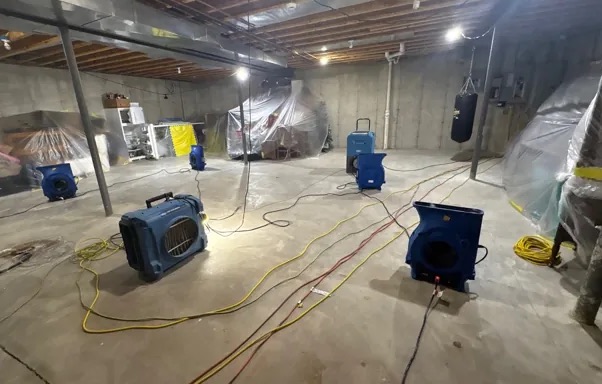
Professional Basement Water Damage Restoration in Waynesville, NC
Basement Water Damage Restoration in Waynesville usually involves two parts: the emergency work of removing water and the slower work of drying a below-grade space. Both matter for keeping repairs small.
One burst pipe or heavy storm in Waynesville can flood a basement. Local restoration pros serve Waynesville and nearby Hazelwood, Lake Junaluska and Clyde, with help available around the clock.
Complete Basement Water Damage Restoration for Waynesville
Emergency Basement Flood Cleanup
A flooded basement can damage furnaces, water heaters and stored items quickly. Fast pumping limits how much is lost.
Basement Water Extraction
Submersible pumps remove deep standing water, then portable extractors pull water from carpet, pad and the concrete floor.
Basement Sewer Backup Cleanup
After a sewer backup, cleanup and disinfection come before drying, so contaminated surfaces are not left in place.
Basement Drying Services
Equipment is adjusted each day based on moisture readings until every material reaches its normal level.
Basement Mold Prevention
After drying, an antimicrobial can be applied to framing and concrete that were wet, to slow mold on surfaces that stay in place.
Signs of Basement Water Damage in Waynesville
Rusted Appliances or Pipes
Rust on the water heater, furnace base or pipes points to repeated moisture or past flooding.
Warped or Buckling Basement Floors
Laminate, wood or vinyl flooring that buckles or lifts in the basement has water underneath.
Condensation on Windows or Pipes
Water beading on cold pipes or basement windows shows high humidity that keeps materials damp.
Sewage Odors or Backups
Sewage smells or water coming up through a floor drain mean the sewer line is backing up.
How Basement Water Damage Restoration Works in Waynesville
Step 1: Water Removal
Pumps and extractors remove standing water from the basement floor, starting at the lowest point.
Step 2: Targeted Moisture Evaporation
Air movers are aimed at wet walls, framing and the slab to speed evaporation.
Step 3: Humidity Control
Large dehumidifiers pull moisture from the basement air, with readings checked every day.
Step 4: Final Verification and Restoration
Final readings confirm the basement is dry, and the space is ready for drywall and flooring repairs.
Typical Sources of Basement Water Damage in Waynesville
Failed or Clogged Drain Tile
Clogged or collapsed drain tile around the foundation lets water build up against the walls.
Window Well Flooding
Window wells without drains or covers fill with rain and leak through basement windows.
Sewer Line Backups
A blocked or overloaded sewer line pushes wastewater up through basement drains and toilets.
Water Heater or Appliance Leaks
Water heaters, washers and utility sinks in the basement can leak or fail without warning.
Basement Water Damage Restoration for All Properties in Waynesville
Residential Basement Water Damage Restoration
Homeowners with older basements may have seepage that returns with each storm. Drying fixes the current damage, and the source is noted for a waterproofing contractor.
Commercial Basement Water Damage Restoration
Apartment and condo buildings with shared basements or lower levels may have laundry and storage below grade. Each area is extracted, dried and recorded for the building manager.
Basement Water Damage Restoration vs. DIY: When to Call the Pros
You can move belongings off the floor and run a household dehumidifier. Drying soaked walls and slabs needs larger equipment and moisture readings to confirm the space is truly dry.
Basement Water Damage Restoration Cost in Waynesville, NC
Waterproofing or sump pump replacement is a separate cost from water removal and drying. In Waynesville, both may be needed to prevent a repeat.
Emergency Service
Night, weekend and storm calls can cost more than a scheduled visit.
Water Category
Clean water costs less to handle than sewage, which needs protective gear, removal and disinfection.
Drying Time Required
Basements dry slowly, and longer drying means more equipment days and monitoring visits.
Does Insurance Cover Basement Water Damage Restoration?
Photograph the water level, damaged belongings and appliances before cleanup starts, and keep receipts for emergency pumping and drying to send to your insurer.
Benefits of Local Pros for Basement Water Damage Restoration in Waynesville
Industrial-Grade Equipment
Pumps, extractors and large dehumidifiers remove water much faster than household wet vacs and fans.
Mold Prevention Focus
Fast drying is the main way to limit microbial growth in a below-grade space.
Industry Drying Standards
Drying follows industry water damage standards, with readings taken at every visit.
Waynesville Emergency Basement Water Damage Restoration Response
Storm night, weekend or holiday, local restoration pros handle flooded basements in Waynesville. Call (828) 492-3606 to get the pumps running and the water out.
Call Now (828) 492-3606Regions Served for Basement Water Damage Restoration Near Waynesville
Need basement water damage restoration outside Waynesville? Service also covers Hazelwood, Lake Junaluska and Clyde, including emergency help during storms.
- Basement Water Damage Restoration in Hazelwood
- Basement Water Damage Restoration in Lake Junaluska
- Basement Water Damage Restoration in Clyde
- Basement Water Damage Restoration in Maggie Valley
- Basement Water Damage Restoration in West Canton
- Basement Water Damage Restoration in Canton
- Basement Water Damage Restoration in Sylva
- Basement Water Damage Restoration in Cullowhee
- Emergency Damage Restoration in 28785
- Storm Damage Restoration in 28785
- Water Damage Restoration in 28785
- Water Extraction Service in 28785
- Water Leak Detection in 28785
- Water Removal Service in 28785
- Emergency Damage Restoration in 28786
- Storm Damage Restoration in 28786
Basement Water Damage Restoration Common Questions Answered
What does below-grade moisture removal include beyond pumping?
Extracting carpet and pad, opening wet walls, running air movers and dehumidifiers, and checking readings until dry.
What is the purpose of basement wall drying?
To remove water from drywall, insulation, framing and concrete so the walls can be repaired without trapping moisture.
Is basement floor water removal different from carpet extraction?
Yes. Bare concrete is squeegeed and dried, while carpet and pad need extraction, and the pad is usually replaced.
How long does below-grade drying take after a flood?
Often several days or longer, since concrete and cool basement air dry slowly. Daily readings show progress.
Why is quick action important for below-grade flood restoration?
Basements dry slowly, so every hour of standing water adds days of drying and more material to replace.