Inman, SC · Spartanburg County
Basement Water Damage Restoration in Inman, SCEmergency Basement Flood Cleanup & Basement Water Extraction
Basement Water Damage Restoration in Inman runs from basement water extraction and basement floor water removal to basement dehumidification.
Answered 24/7
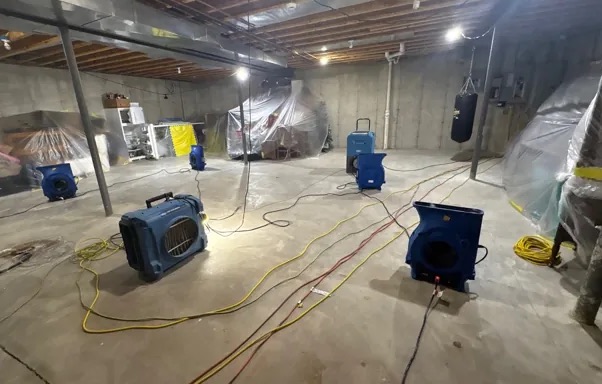
Basement Water Damage Restoration Solutions in Inman, South Carolina
Sewage backups are one of the most common problems in any basement or lower level, including in Inman. Water coming up through a floor drain or basement toilet carries bacteria and needs a different cleanup than clean water.
One burst pipe or heavy storm in Inman can flood a basement. Local restoration pros serve Inman and nearby Inman Mills, Campobello and Boiling Springs, with help available around the clock.
Basement Water Damage Restoration Services in Inman
Emergency Basement Flood Cleanup
A flooded basement can damage furnaces, water heaters and stored items quickly. Fast pumping limits how much is lost.
Basement Water Extraction
Submersible pumps remove deep standing water, then portable extractors pull water from carpet, pad and the concrete floor.
Basement Wall Drying
Concrete and block walls are dried with directed airflow and dehumidifiers, and checked with meters until readings drop.
Basement Floor Water Removal
A slab can look dry on top while still holding water. Moisture readings show when it is ready for new flooring.
Basement Sewer Backup Cleanup
Sewage that backs up through a floor drain or toilet is extracted with protective gear, and the area is contained from the rest of the house.
Signs of Basement Water Damage in Inman
Standing Water in the Basement
Any standing water on the basement floor needs pumping right away, before it soaks walls and framing.
High Humidity Levels Below-Grade
A basement that stays damp and clammy even on dry days has a moisture source that needs attention.
Efflorescence on Concrete Walls
White, chalky deposits on concrete walls mean water is moving through the concrete and leaving minerals behind.
Wet or Stained Basement Walls
Dark, wet patches or tide lines on basement walls show where water seeped in or wicked up.
How Basement Water Damage Restoration Works in Inman
Step 1: Source Control and Extraction
The pipe is shut off, the sump restarted or the backup stopped, then the water is pumped out.
Step 2: Structural Drying Setup
Lower drywall is removed where soaked, and equipment is placed to dry wall cavities and the slab.
Step 3: Contaminant Removal
Materials touched by sewage or dirty water are removed and hard surfaces are cleaned and disinfected.
Step 4: Monitoring and Completion
Daily readings track drying until every material is normal, then equipment is removed.
Frequent Sources of Water Damage in Inman
High Water Table and Hydrostatic Pressure
A high water table pushes groundwater up through the slab and into the joints between wall and floor.
Plumbing Pipe Bursts or Leaks
Supply lines and drain pipes in basement ceilings can crack or burst onto the floor below.
Water Heater or Appliance Leaks
Water heaters, washers and utility sinks in the basement can leak or fail without warning.
HVAC Condensate Line Overflow
A clogged furnace or air conditioner condensate line can overflow onto the floor of a basement or lower-level utility room.
Home and Business Basement Water Damage Restoration in Inman
Residential Basement Water Damage Restoration
In homes, a flooded basement often means damaged carpet, drywall, a furnace or water heater and stored belongings. Water is pumped out, contents are moved and the space is dried.
Commercial Basement Water Damage Restoration
In commercial buildings, basements hold mechanical rooms, storage and sometimes offices. Water is removed and equipment areas are dried so systems can be checked and restarted.
When to DIY and When to Call the Pros for Basement Water Damage Restoration
Keeping gutters and downspouts clear and checking water heater and washer hoses are good DIY steps before storm season. Once water is on the floor, call (828) 492-3606.
Cost Considerations for Basement Water Damage Restoration in Inman
Waterproofing or sump pump replacement is a separate cost from water removal and drying. In Inman, both may be needed to prevent a repeat.
Material Saturation
Finished basements with carpet, drywall and insulation take more removal work than bare concrete.
Secondary Damage
Damage to furnaces, water heaters and belongings adds repair and replacement costs.
Access Complexity
Narrow stairs, low ceilings and stored contents can make the work slower.
Does Insurance Cover Basement Water Damage Restoration?
Photograph the water level, damaged belongings and appliances before cleanup starts, and keep receipts for emergency pumping and drying to send to your insurer.
Benefits of Local Pros for Basement Water Damage Restoration in Inman
Structural Integrity Assessment
Walls, stairs and framing are checked for damage before work begins in the basement.
Detailed Documentation
Photos, readings and drying logs are kept to support your insurance claim.
Containment Strategies
Plastic sheeting keeps contaminated areas separate from clean parts of the house.
24/7 Emergency Basement Water Damage Restoration in Inman
Storm night, weekend or holiday, local restoration pros handle flooded basements in Inman. Call (828) 492-3606 to get the pumps running and the water out.
Call Now (828) 492-3606Basement Water Damage Restoration Available Throughout Spartanburg County
Help with basement water damage restoration reaches Inman Mills, Campobello and Boiling Springs, plus other communities around Inman, for finished and unfinished basements alike.
- Basement Water Damage Restoration in Inman Mills
- Basement Water Damage Restoration in Campobello
- Basement Water Damage Restoration in Boiling Springs
- Basement Water Damage Restoration in Wellford
- Basement Water Damage Restoration in Valley Falls
- Basement Water Damage Restoration in Fairforest
- Basement Water Damage Restoration in Saxon
- Basement Water Damage Restoration in Southern Shops
- Emergency Damage Restoration in 29349
- Storm Damage Restoration in 29349
- Water Damage Restoration in 29349
- Water Extraction Service in 29349
- Water Leak Detection in 29349
- Water Removal Service in 29349
Basement Water Damage Restoration FAQs
Is basement floor water removal different from carpet extraction?
Yes. Bare concrete is squeegeed and dried, while carpet and pad need extraction, and the pad is usually replaced.
What is the purpose of basement wall drying?
To remove water from drywall, insulation, framing and concrete so the walls can be repaired without trapping moisture.
How is basement restoration documented for insurance?
With photos of the water level and damage, moisture readings, a list of removed materials and daily drying logs.
What is the priority during emergency basement flood cleanup?
Safety first, especially electrical hazards, then stopping the source and pumping out the water as quickly as possible.
Why is quick action important for below-grade flood restoration?
Basements dry slowly, so every hour of standing water adds days of drying and more material to replace.