East Gaffney, SC · Cherokee County
Attic Water Extraction in East Gaffney, SCRoof Leak Water Removal & Attic Leak Water Cleanup
Homeowners in East Gaffney get Attic Water Extraction for emergency attic water extraction, attic mold prevention and attic moisture inspection.
Answered 24/7
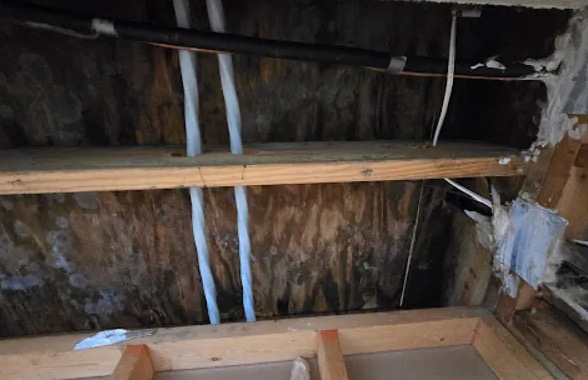
Local Attic Water Extraction Services in Cherokee County
After heavy storms in East Gaffney, attics can take on water through lifted shingles, open vents or punctures from debris. Getting the water out quickly limits damage to the ceilings and walls below.
Homeowners in East Gaffney can call (828) 492-3606 day or night when water is coming through the ceiling. Service also covers Gaffney, Cowpens and Boiling Springs, with the same extraction and drying steps.
The Attic Water Extraction Process for Properties in East Gaffney
Roof Leak Water Removal
A tarp can be placed over the damaged roof area to stop more water from coming in while extraction and drying continue.
Attic Leak Water Cleanup
Wet nails, straps and vent flanges are wiped down, and soaked boxes or stored items are moved out of the attic.
Attic Drying Services
Drying runs until wood framing and ceiling drywall reach normal readings. Equipment is moved as each area dries.
Wet Attic Insulation Removal
Blown-in insulation that got wet is vacuumed out of the affected bays, and fiberglass batts are pulled and bagged.
Attic Moisture Inspection
Moisture meters and thermal cameras check decking, rafters, insulation and ceiling drywall for water that is not visible.
Warning Signs You Need Attic Water Extraction in East Gaffney
Water Dripping From Light Fixtures
Water dripping from a ceiling light or fan is a sign of an active leak above. Turn off that circuit.
Damp Attic Insulation
Insulation that feels damp, looks matted or has dark patches has been soaking up water.
Rotting Wood in Attic
Soft or crumbling wood in the attic, especially around vents and valleys, points to long-term leaks.
Water Stains on Ceiling
A brown or yellow stain on an upstairs ceiling usually means water is sitting on the drywall from the attic.
How Attic Water Extraction Works in East Gaffney
Step 1: Emergency Water Extraction
Active drips are caught and pooled water is vacuumed from the decking and drywall tops right away.
Step 2: Wet Insulation Removal
Soaked insulation is bagged and removed so air can reach the wood and the ceiling drywall below.
Step 3: Attic Drying Process
Air movers and dehumidifiers are set on boards across the joists and run until readings drop.
Step 4: Final Moisture Inspection
Readings on decking, rafters and the ceiling confirm the attic is dry before new insulation goes in.
Common Causes of Attic Water Damage in East Gaffney
Condensation From Poor Ventilation
Warm, moist air from the house condenses on roof decking when the attic lacks ventilation.
Gutter and Downspout Blockages
Clogged gutters and downspouts let water back up under the roof edge.
Attic Appliance Malfunction
Water heaters, humidifiers and other attic equipment can fail and leak with no warning.
HVAC System Condensate Overflow
AC air handlers in the attic overflow when the condensate line clogs or the pan cracks.
Attic Water Extraction Across Property Types in East Gaffney
Residential Attic Water Extraction
In townhomes and condos, attic leaks can cross into a neighbor's space. Clear photos and readings help sort out repairs with the association.
Commercial Attic Water Extraction
Property managers get records for each affected unit or suite, which helps with roof repair planning and insurance claims.
Professional Attic Water Extraction or DIY in East Gaffney?
A bucket under the drip and a tarp over furniture are good first steps. Call local restoration pros if water is pooling in the attic, the ceiling is stained or sagging, or insulation is soaked.
Factors in Attic Water Extraction Pricing in East Gaffney, SC
Roof repair is billed separately from extraction and drying. In East Gaffney, both are needed after most roof leaks.
Extent of Water Damage
More water and a larger wet area mean more extraction time and more drying equipment.
Material Removal Needs
Wet insulation and ceiling drywall that must be removed add labor and disposal costs.
Required Drying Time
Dense framing and decking can take several days to dry, adding equipment time.
Does Insurance Cover Attic Water Extraction?
Photos, moisture readings and drying logs from local restoration pros help support an insurance claim for attic water damage in East Gaffney.
Advantages of Hiring Local Pros for Attic Water Extraction in East Gaffney
Ceiling Damage Mitigation
Sagging ceilings are drained and removed safely before they can fall into the room.
Roof Leak Location
The leak point is marked and photographed so the roofer can fix the right spot.
Dehumidification Plan
Dehumidifiers and air movers are placed for the attic's size and airflow, then adjusted daily.
Around-the-Clock Attic Water Extraction in East Gaffney
Ceiling bulging with water? Keep people out of the room below it and call (828) 492-3606 now for attic water extraction in East Gaffney.
Call Now (828) 492-3606Attic Water Extraction for East Gaffney and Surrounding Communities
Besides East Gaffney, the pros remove attic water, wet insulation and soaked ceilings in nearby Gaffney, Cowpens and Boiling Springs.
Frequently Asked Questions About Attic Water Extraction
How quickly should I deal with water in my attic?
Right away. Water sitting on ceiling drywall can make it sag or fall within a day, and wet wood starts to break down.
What should I do while waiting for water damage help?
Catch drips with a bucket, move belongings, keep away from sagging ceilings and turn off power to wet fixtures.
Why is a moisture inspection important after extraction?
Extraction removes pooled water, but wood and drywall stay wet inside. Meters show what still needs drying.
How do I know if I need emergency water extraction in the attic?
If water is dripping, the ceiling is bulging or stained, or you can see pooled water in the attic, call right away.
How does roof repair relate to attic water extraction?
The roof must be fixed or tarped to stop new water. Extraction and drying deal with the water already inside.