Cove Creek, NC · Haywood County
Attic Water Extraction in Cove Creek, NCAttic Drying Services & Attic Moisture Inspection
Get attic water extraction in Cove Creek for attic moisture inspection, wet attic insulation removal and attic mold prevention after a leak.
Answered 24/7
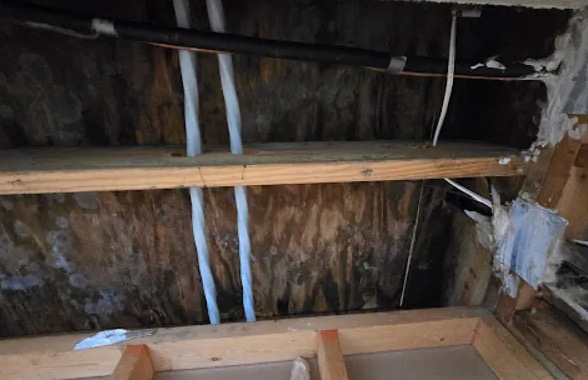
Emergency Attic Water Extraction for Cove Creek Homes
A slow attic leak in Cove Creek can run for months without anyone noticing, rotting decking and staining rafters. A fast one can drop a ceiling in a day. Both need water removed and wood dried.
In Cove Creek, attic extraction calls often follow heavy rain or a clogged AC drain line. Local restoration pros serve Cove Creek, Lake Junaluska, Clyde and Maggie Valley, removing water and wet insulation and drying the ceiling below.
Detailed Attic Water Extraction Offerings in Cove Creek
Attic Drying Services
Air movers and dehumidifiers are set on boards across the joists to dry rafters, decking and the ceiling below safely.
Attic Moisture Inspection
Moisture meters and thermal cameras check decking, rafters, insulation and ceiling drywall for water that is not visible.
Attic Leak Water Cleanup
Leak cleanup clears water, wet debris and fallen insulation from the attic floor so the wood and ceiling can start drying.
Roof Leak Water Removal
Roof leaks often show up far from where they start. Moisture meters trace the water back along the decking to its entry point.
Attic Mold Prevention
Moisture sources such as a bath fan venting into the attic are noted, since they keep the attic damp after the leak is fixed.
Warning Signs You Need Attic Water Extraction in Cove Creek
Damp Attic Insulation
Insulation that feels damp, looks matted or has dark patches has been soaking up water.
Condensation on Attic Surfaces
Droplets or damp patches on the underside of the roof decking point to a moisture and ventilation problem.
Increased Indoor Humidity
Upstairs rooms that feel humid or clammy may have moisture coming down from the attic.
Rotting Wood in Attic
Soft or crumbling wood in the attic, especially around vents and valleys, points to long-term leaks.
How Attic Water Extraction Works in Cove Creek
Step 1: Emergency Water Extraction
Active drips are caught and pooled water is vacuumed from the decking and drywall tops right away.
Step 2: Wet Insulation Removal
Soaked insulation is bagged and removed so air can reach the wood and the ceiling drywall below.
Step 3: Attic Drying Process
Air movers and dehumidifiers are set on boards across the joists and run until readings drop.
Step 4: Final Moisture Inspection
Readings on decking, rafters and the ceiling confirm the attic is dry before new insulation goes in.
Why Attics Need Water Extraction in Cove Creek
HVAC System Condensate Overflow
AC air handlers in the attic overflow when the condensate line clogs or the pan cracks.
Bathroom Exhaust Fan Vent Leaks
Bathroom fans vented into the attic, or with loose ducts, release moisture onto the wood.
Plumbing Leaks in Attic
Supply lines and water heaters in the attic can leak or burst onto the ceiling below.
Condensation From Poor Ventilation
Warm, moist air from the house condenses on roof decking when the attic lacks ventilation.
Both Residential and Commercial Attic Water Extraction in Cove Creek, NC
Residential Attic Water Extraction
At home, attic water usually ends up on a bedroom or hallway ceiling. Water is extracted from above, wet insulation removed and the ceiling below dried or replaced.
Commercial Attic Water Extraction
In commercial buildings, water above a drop ceiling soaks tiles and insulation across several rooms. Wet tiles come down and the space above them is extracted and dried.
Attic Water Extraction vs. DIY: When to Call the Pros
A bucket under the drip and a tarp over furniture are good first steps. Call local restoration pros if water is pooling in the attic, the ceiling is stained or sagging, or insulation is soaked.
What Influences Attic Water Extraction Cost in Cove Creek
In Cove Creek, insulation removal and replacement are often the largest part of an attic job, along with drying equipment and ceiling repair.
Extent of Water Damage
More water and a larger wet area mean more extraction time and more drying equipment.
Emergency Service Timing
Night, weekend and storm calls can cost more than a scheduled visit.
Required Drying Time
Dense framing and decking can take several days to dry, adding equipment time.
Does Insurance Cover Attic Water Extraction?
Photograph the ceiling, attic and any roof damage before cleanup starts, and keep receipts for tarping and emergency extraction for your claim.
Why Choose Local Pros for Attic Water Extraction in Cove Creek
Advanced Moisture Detection
Moisture meters and thermal cameras find wet insulation and wood that look dry.
Industry Extraction Standards
Extraction and drying follow industry water damage standards, with readings at every visit.
Attic Drying
Framing, decking and the ceiling below are all dried, not just the spot under the leak.
Around-the-Clock Attic Water Extraction in Cove Creek
Water in the attic soaks the ceiling below fast. Call (828) 492-3606 for attic water extraction in Cove Creek at any hour, including storms and holidays.
Call Now (828) 492-3606Local Attic Water Extraction Areas Including Cove Creek
Other places served are listed below, each with its own page.
Your Attic Water Extraction Questions in Cove Creek, NC
What should I do while waiting for water damage help?
Catch drips with a bucket, move belongings, keep away from sagging ceilings and turn off power to wet fixtures.
What equipment is used for attic drying services?
Air movers, dehumidifiers, moisture meters and thermal cameras, plus wet vacs and HEPA vacuums for water and insulation removal.
Can I remove attic water myself?
Small drips onto plastic can be handled, but pooled water and soaked insulation need safe footing, equipment and drying.
What are signs of hidden attic water damage?
Ceiling stains, a musty smell upstairs, matted insulation, dark spots on decking and rusted nails.
How long does the attic drying process take?
Often several days, depending on how wet the wood is, the attic temperature and how much insulation was removed.