Valley Hill, NC · Henderson County
AC Unit Water Removal in Valley Hill, NCWet AC Unit Component Drying & Air Conditioner Restoration Services
AC Unit Water Removal in Valley Hill runs from emergency AC water removal and AC leak water cleanup to air conditioner restoration services.
Answered 24/7
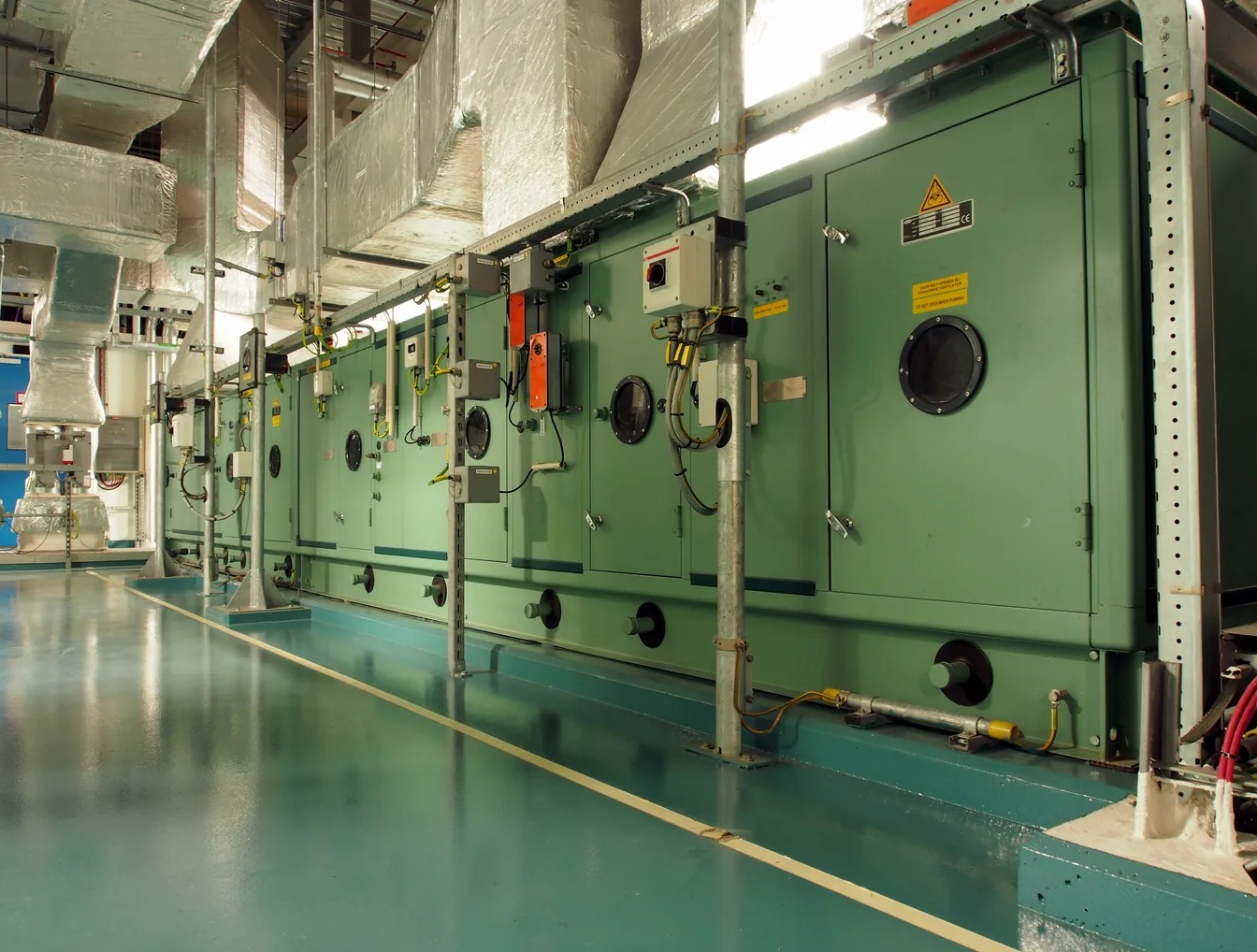
Trusted AC Unit Water Removal for Valley Hill Residents
AC Unit Water Removal in Valley Hill covers the whole leak, from removing standing water to drying wet materials and repairing drywall or trim afterward. Each step depends on how far the water traveled and how long it sat.
In Valley Hill, AC leaks usually show up as ceiling stains under attic units, wet carpet near the furnace closet or water dripping from a vent. Help with AC unit water removal is available across Valley Hill and in Laurel Park, Barker Heights and Flat Rock, day or night, with extraction, drain clearing and drying.
The AC Unit Water Removal Process in Valley Hill, NC
Wet AC Unit Component Drying
Damp insulation inside the cabinet holds water for a long time. It is dried in place or replaced if it stays wet.
Air Conditioner Restoration Services
Restoration covers the repairs left after a leak: cut-out drywall, stained ceilings, swollen baseboards and soaked insulation.
AC Leak Water Extraction
Water is removed from every wet surface the leak reached, including closets and rooms below an attic air handler.
AC Leak Water Cleanup
Water from an overflowing air handler is extracted from the floor, closet or mechanical room, then nearby walls are checked with a moisture meter.
Emergency AC Water Removal
A sudden AC flood can soak a ceiling or floor in hours. Emergency removal gets the water out before it spreads into framing and insulation.
Warning Signs You Need AC Unit Water Removal
AC Drain Pan Overflow
Water at the rim of the drain pan, or in the secondary pan, means the condensate line is blocked.
Reduced Cooling Efficiency
A clogged drain can trip a float switch or starve the coil of airflow, so the system runs longer and cools less.
Unusual AC System Noises
Gurgling or dripping sounds from the unit can mean water is backing up in the drain line.
Musty Odors From Vents
A musty smell when the AC starts often means standing water in the pan or wet insulation in the ducts.
How AC Unit Water Removal Works in Valley Hill
Step 1: Emergency AC Water Removal
The unit is shut off and standing water is extracted from the drain pan, the floor and any carpet or pad it reached.
Step 2: AC Condensation Line Clearing
The drain line is flushed or vacuumed clear of algae and sludge, so condensate flows outside again.
Step 3: Wet AC Unit Component Drying
Air movers and a dehumidifier dry the cabinet interior and the walls, floor or ceiling around the unit.
Step 4: AC Leak Mold Prevention
Once readings show dry, wood and drywall that stayed wet can be treated with an antimicrobial.
Common Causes of AC Unit Water Damage in Valley Hill
Dirty Air Filters
A clogged filter cuts airflow, which can freeze the coil and cause overflow when it melts.
Excess Outdoor Humidity
Very humid air makes the coil produce more water than a partly clogged drain can carry.
Disconnected Drain Line
A drain line knocked loose in the attic or closet empties condensate onto the ceiling or floor.
Failed Condensate Pump
Units that pump condensate uphill depend on a small pump. When it fails, the reservoir overflows.
AC Unit Water Removal Services for All Properties in Valley Hill
Residential AC Unit Water Removal
In a home, an AC leak usually hits a hallway ceiling, a closet floor or the carpet near the air handler. Water removal and drying start there, followed by drywall repair if needed.
Commercial AC Unit Water Removal
In offices and stores, a leaking rooftop or ceiling unit drips onto desks, stock and floors and creates slip hazards. Work can be scheduled around business hours where possible.
The Risks of DIY AC Unit Water Removal in Valley Hill
Pouring a cup of diluted vinegar into the drain line each season helps prevent algae clogs. Once water spreads past the unit into walls, ceilings or flooring, it is time to call local water extraction experts for extraction and drying.
What Affects AC Unit Water Removal Expense in Valley Hill
Drying equipment is usually billed by the day, so how long materials stay wet matters. Starting quickly in Valley Hill shortens drying time and lowers the total.
Emergency Service Timing
After-hours and holiday response can cost more than a scheduled weekday visit.
Preventative Treatment Scope
Antimicrobial treatment is an optional step, priced by the size of the area treated.
Documentation Needs
Detailed photos and moisture logs for an insurance claim add some time to the job.
Does Insurance Cover AC Unit Water Removal?
Many homeowner policies cover sudden water damage from an AC leak but not repairs to the unit itself or slow leaks from poor upkeep. Read your policy and call your insurer early.
Benefits of Local Pros for AC Unit Water Removal in Valley Hill
Focus on Component Preservation
Wet blower motors and wiring are dried gently to lower the risk of corrosion and electrical faults.
Industry Drying Standards
Drying follows industry water damage standards, with moisture readings at each visit.
24/7 Emergency Response
Help is available any hour, which matters when an attic unit starts leaking into a ceiling at night.
Emergency AC Unit Water Removal Available 24/7 in Valley Hill
Do not wait for a stained ceiling to start sagging under the weight of the water. Call (828) 492-3606 now for AC unit water removal in Valley Hill and get the drying started.
Call Now (828) 492-3606AC Unit Water Removal Service Area Including Valley Hill
Help with AC unit water removal is also available in communities near Valley Hill, including Laurel Park, Barker Heights and Flat Rock, for leaking air handlers and overflowing drain pans.
- AC Unit Water Removal in Laurel Park
- AC Unit Water Removal in Barker Heights
- AC Unit Water Removal in Flat Rock
- AC Unit Water Removal in Balfour
- AC Unit Water Removal in East Flat Rock
- AC Unit Water Removal in Horse Shoe
- AC Unit Water Removal in Mountain Home
- AC Unit Water Removal in Etowah
- Emergency Damage Restoration in 28793
- Storm Damage Restoration in 28793
- Water Damage Restoration in 28793
- Water Extraction Service in 28793
- Water Leak Detection in 28793
- Water Removal Service in 28793
Common AC Unit Water Removal Questions Answered
What equipment is used to dry AC leak damage?
Extractors, air movers, dehumidifiers and moisture meters, plus wet vacs or pumps for the drain line.
How quickly should I deal with an AC leak?
Right away. Water that sits for more than a day or two soaks into drywall and insulation and raises the risk of microbial growth.
How long does drying take after an AC leak?
Often several days, depending on the materials and how long they were wet. Daily readings track progress.
How does antimicrobial treatment help after an AC leak?
Once surfaces are dry, an antimicrobial can be applied to wood and drywall that stayed wet to slow microbial growth.
What are signs I need water removed from around my air conditioner?
Puddles near the unit, ceiling stains, a musty smell, a full drain pan or an AC that shuts off on its own.